





Drought forces Iraqi farmers to leave their land


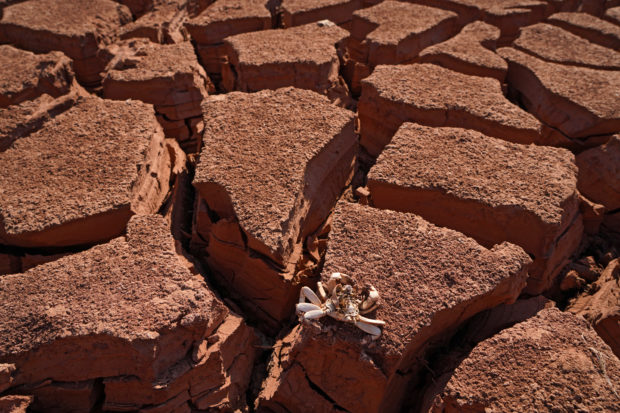
An general view shows a dead crab stuck to the dry and cracked soil at Zawita Dam, located about 20 km from the northern Iraqi city of Dohuk in the autonomous Kurdish region, on November 12, 2021. AFP
‘Most affected’
For centuries, the Nineveh Plains were the breadbasket of Iraq, with 6,000 square kilometres (2,300 square miles) of arable land, said agriculture ministry spokesman Hamid al-Nayef. But this year, Nineveh province has been Iraq’s “most affected” by drought and exceptionally high temperatures. In 2020, 927,000 tonnes of wheat were harvested in Nineveh, making it a “self-sufficient” province, said Abdelwahab al-Jarjiri, who heads the local cereal authority. This year production plunged to 89,000 tonnes because of the drought. The effects of low rainfall have been exacerbated by falling water levels on the Tigris and Euphrates rivers as a result of dam-building in neighbouring Turkey and Iran, said Samah Hadid of the Norwegian Refugee Council (NRC). “Iraq is facing its worst drought in modern times. This is due to record low levels of rainfall, reductions in water flow from its neighbours — which has primarily hit the Euphrates and Tigris rivers — and there is no doubt climate change has contributed to this crisis,” she said. “Far from being a problem in the distant future, climate change is already taking effect in the region and we see this clearly in parts of Iraq.” This month, a dam near the northern town of Zawita dried up completely for the first time since its construction in 2009, the head of the local irrigation authority Hega Abdelwahid said. The dam, which used to contain up to 50,000 cubic meters of water, was fed by melting snow but there was very little rain this year, Abdelwahid said, and all that is left is cracked earth.‘Displacement and instability’
The severity of the drought has forced many farming families to leave their land and seek a living in urban areas. Akram Yassin, 28, is one of those considering such a move. He has already sold some of his 500 sheep and some land just “to survive”, he said. “I might have to change careers, my financial losses are more than my gains,” he added. In October, UN agencies, including the Food and Agriculture Organization (FAO), called for “urgent action” to avert a disaster in Iraq. Before that in August, 13 aid organisations, including the NRC, warned that seven million people in Iraq risk losing access to water, forcing more from their homes. But the exodus to urban centres like Mosul, Kirkuk and Basra could spark “instability” because they are ill-prepared for such an influx, said Roger Guiu, director of the Iraq-based Social Inquiry research centre. Guiu said Mosul had been left in ruins by the months-long battle to oust IS and “reconstruction has been slow”. The city’s roads and sewers have been rebuilt but in the health sector only 30 to 40 percent of services have been rehabilitated, district prefect Zuhair al-Araji told AFP.
READ NEXT
EDITORS' PICK


